
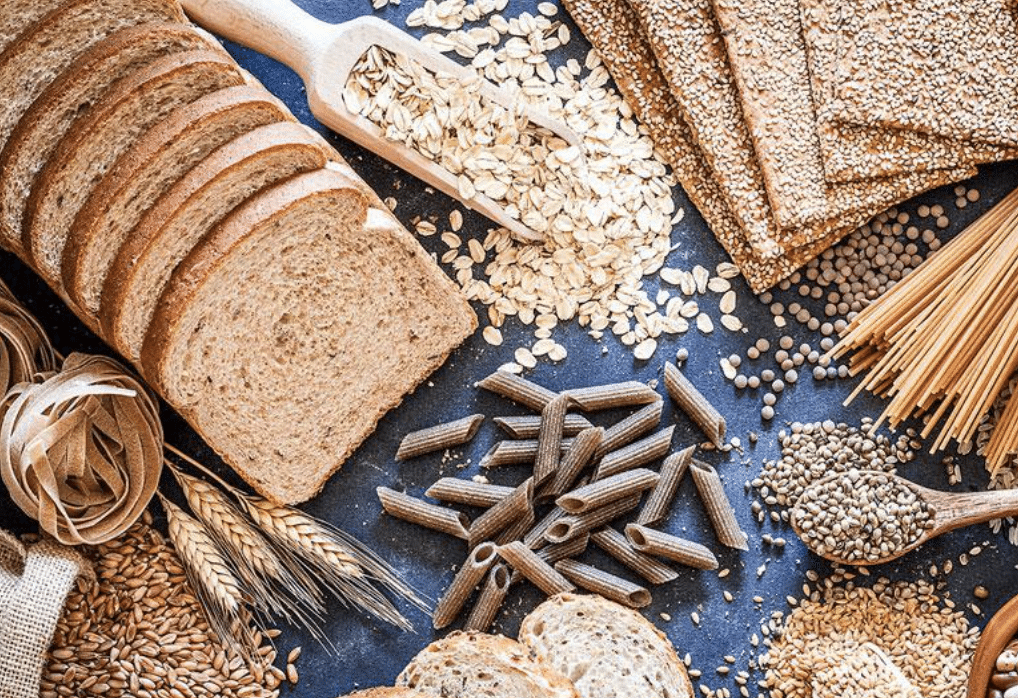
Article by Francesca Bocchi. Whole-grain foods are a good choice for a nutritious diet because they provide fibre, vitamins, minerals and other nutrients.
These products help control cholesterol levels, body weight and blood pressure and also help reduce the risk of diabetes, cardiovascular disease and gastro-intestinal tract disorders.
In the USA, the Dietary Guidelines for Americans recommend that at least half of the cereals consumed should be whole grains. Most people in the US do not consume enough whole grains and we can do more in Europe too!
The use of a wholegrain cereal should be considered more as a nutrient than as an ingredient, due to those nutritional values that are fundamental in the diet and also offer products with a low glycaemic response due to special processing.
What is a grain?
Cereals are the seeds of grasses cultivated for food. These plants are also called cereals. Examples of cereals include wheat, oats and rice. Each grain, also called a grain, consists of three parts:
- Crusca. The bran is the hard outer covering of the grain. It contains most of the grain's fibre. It also contains vitamins and minerals.
- Germs. The germ is the part that germinates into a new plant. It contains many vitamins, healthy fats and other natural plant nutrients.
- Endosperm. The endosperm is the energy source for the seed. It contains mainly starches. It contains small amounts of protein and vitamins. The endosperm contains very little fibre.
The coarse, non-pulverised processing of starch allows for fewer transformations of starch into glucose. A larger grain size of starch allows for less flour and thus less starch transformed into sugars.
What nutrients are present in whole grains?
The bran of any type of whole grain cereal is a good source of fibre. The nutrients present in whole grains vary. They may include the following nutrients and others:
- Vitamin A.
- Vitamin B-1, also known as thiamine.
- Vitamin B-2, also known as riboflavin.
- Vitamin B-3, also known as niacin.
- Vitamin B-6, also known as pyridoxine.
- Vitamin B-9, also known as folate.
- Vitamin E.
- Iron.
- Magnesium.
- Phosphorus.
- Selenium.
Types of cereals
Foods derived from cereals fall into the following categories and have special characteristics:
- Whole grains. Whole grains contain all parts of the grain. Wholemeal flour is milled from whole grains. Examples of whole-grain foods include brown rice, oat flakes and wholemeal bread.
- Refined cereals. Refined cereals are devoid of germ and bran. These cereals have a finer texture and a longer shelf life. This process removes almost all fibre and many other nutrients. Foods containing refined cereals include white rice and most breads, cakes, pies and white crackers.
- Enriched cereals. Nutrients removed from refined cereals can be replenished. These refined cereals are called enriched cereals. For example, when rice is refined, it loses vitamins, minerals and fibre. Enriched white rice contains these reintegrated vitamins and minerals. Fibre is usually not replenished in enriched cereals.
- Fortified cereals. Foods may also contain added nutrients that are not naturally present. Or they may contain more of the nutrients that are naturally present. Foods with these additional nutrients are called fortified foods. For example, many types of bread and breakfast cereals are fortified with folic acid and iron.
The terms “enriched” and “fortified” are often used to mean the same thing. The important point is that whole grains are the more nutritious choice. “Enriched” and “fortified” mean that they offer some additional benefit.
Benefits of whole foods
The vitamins and minerals contained in whole grains are important for general health. In addition, the high fibre content of whole grains can help:
- Lowering bad cholesterol levels.
- Increase levels of good cholesterol.
- Lower insulin levels.
- Lowering blood pressure.
- It creates a feeling of satiety that can help to lose or control weight.
Studies show that fibre-rich diets reduce the risk of:
- Heart and blood vessel diseases.
- Strike.
- Type 2 diabetes.
- Cancer of the large intestine and rectum, also known as colorectal cancer.
Choosing Whole Grains
Consumption should be increased so that at least half of the cereals in the diet are whole grains.
In most supermarkets you can find whole-grain versions of rice, bread, cereals, flour and pasta. Examples of whole grains and whole foods include:
- Barley.
- Bulgur, also called broken wheat.
- Spelt.
- Mile.
- Quinoa.
- Black rice.
- Brown rice.
- Red rice.
- Wild rice.
- Oat flakes.
- Popcorn.
- Wholemeal flour.
- Whole-grain cereals for breakfast.
- Wholemeal bread, pasta or crackers.
Reading food labels
It is not always easy to know what type of grain a product contains. For example, bread may look like wholemeal because it is dark in colour, but the colour could be due to molasses or some other ingredient.
Ingredient labels can help you choose whole-foods. Here are some tips for reading labels:
- The ingredients on a food label are listed from the largest to the smallest quantity.
- The words “whole grain” should be at the beginning of the list of ingredients.
- If more than one wholegrain cereal is present, cereals should be almost at the beginning of the list.
- If you only eat wholegrain cereals, choose wholegrain bread or breakfast cereals fortified with folic acid. Folic acid is a form of folate. Folate is very important during pregnancy.
- If you buy food containing refined cereals, look for the words “enriched” and “fortified”.
- If you like white bread, try wholemeal bread. The flour is made from soft wheat, with a light bran, a finer texture and a milder flavour than normal wholemeal flour.
How to increase the consumption of whole grains in your diet
These tips are for adding more whole grains to one's meals and snacks:
- Enjoy breakfasts based on whole-grain cereals, such as whole bran flakes, grated wheat or oat flakes.
- Replace plain bagels with wholemeal toast or wholemeal bagels. Prefer low-fat wholemeal muffins to pastries.
- Make sandwiches using bread or whole-grain rolls.
- Use whole wheat tortillas instead of white flour tortillas.
- Use whole-wheat pasta.
- Replace white rice with brown rice, wild rice, bulgur, barley or other cereals.
- Use wild rice or barley in soups, stews and salads.
- To increase the texture of minced meat or poultry, add whole grains, such as cooked brown rice or wholemeal breadcrumbs.
- In recipes, use oat flakes or crumbled whole-wheat bran instead of breadcrumbs.
Eating a variety of whole-grain cereals ensures the intake of more health-promoting nutrients. Variety also helps make meals and snacks more appetising.
These products are especially aimed at those following a balanced diet, due to the presence of protein and high fibre content.
- For those seeking a healthy lifestyle, as it contains iron, phosphorus, magnesium and
manganese that contribute to normal energy metabolism.
- Sportsmen and women, because of the amount of nutrients naturally present.
- Diabetics are advised to discuss this product with their doctor in order to
to consider its inclusion in one's diet.