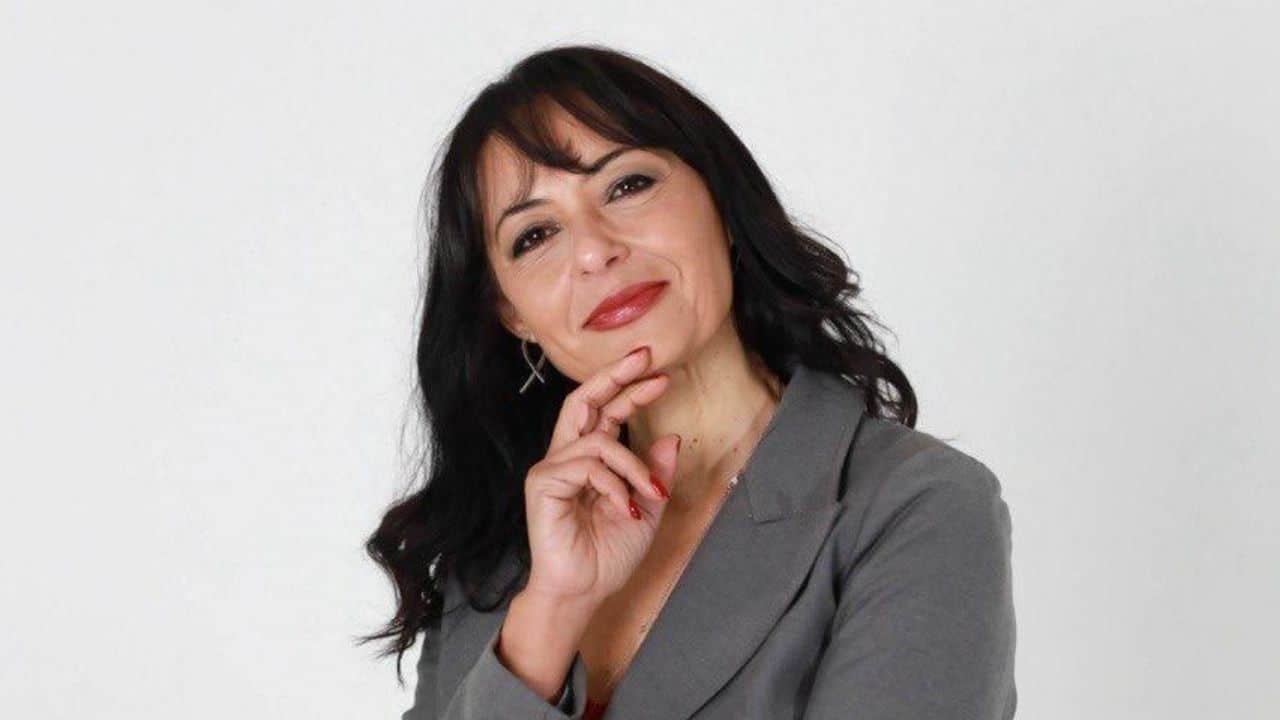
The work represents one of the fundamental pillars for the dignity of the person, not only as a source of economic livelihood, but also as a tool for individual realisation, social inclusion and active participation in collective life. In an ever-changing context, it is essential to question the challenges and opportunities in the world of work, on inclusion policies and the central role of training. MonteCarloStyle, on these issues, interviewed Dr. Sonia Palmeri, who has always worked in the human resources sector in a management capacity is currently director of human resources and institutional relations at the Gruppo Generazione Vincente S.p.A, and Disability Manager of the group. Also relevant is the experience of public administratorShe was councillor for labour, personnel, state property and assets of the Campania Region from 2015 to 2020.
The interview
Dr Palmeri, what are the peculiarities that, in your opinion, most qualify the world of work in our time?
“Today's world of work is constantly changing, influenced by endogenous and exogenous factors. Among the former we cannot fail to note an ageing population and an increasing number of immigrant workers, and while companies are increasingly looking for technical and digital profiles, sectors such as tourism and catering are struggling to find staff. Exogenous factors include, broadly speaking, geopolitical tensions, the war on tariffs, which has changed supply chains, but also AI and the green transition, which drive the demand for new professional profiles and, consequently, a revised training need. Another phenomenon bequeathed by the pandemic has been the defence of work-life balance, the balancing of family and work time, which has inverted the axis of each employee's priorities. The gender gap is still too high and women are increasingly the balancers of society, torn between motherhood, professional growth and the role of caregiver. These issues must be dealt with”.
Based on your experience, what aspects would need to be affected to make the world of work more competitive? In this respect, what role can training play?
“I believe that the real challenge of competitiveness lies in bridging the gap between the skills required by companies and those actually available. This mismatch is a problem I have seen grow both from a business perspective and in the institutional roles I have held. We need to invest in guidance, active policies and strong connections between schools, universities and companies, to finally align skills demand and supply. We still have high numbers of Neet, i.e. young people who do not study and do not work, and who must undoubtedly be reintegrated into production processes, adapting their skills, but also developing their inclinations and aptitudes. Many young people want to become entrepreneurs or launch themselves into crafts, connecting with tourism and the territory. They must be encouraged with ad hoc policies”.
Work is one of the fundamental aspects of every citizen's life. How could the labour inclusion of the most fragile be encouraged? What role could the figure of the disability manager play in this regard?
“Yes, work is not only a source of income, but it is the dimension through which one creates integration in society, enabling relationships, belonging and participation. It is a source of daily evolution, it is a universe of stimuli, it is skill development and much more. For all these reasons, workplaces must aim to include the most fragile categories, to develop a corporate social responsibility that improves climate and productivity. It is necessary to encourage cultural change, to raise an ethical wave through concrete tools: incentives for organisations that hire, accompanying paths, adaptations of workstations, so that diversity is perceived as a value. In this sense, the disability manager is a key figure, involved in the processes of facilitating work integration, promoting technical and organisational solutions aimed at facilitating or making it possible for people with disabilities to exercise rights or freedoms that would otherwise be precluded. My professional experiences have always shown that true inclusion is achieved when everyone has the opportunity to contribute and grow, in an environment that values differences. I am personally committed, every day, to the different stakeholders for this. Montecarlostyle will allow us to deepen many of these issues and operate a continuous moral suasion”.
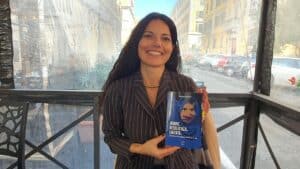
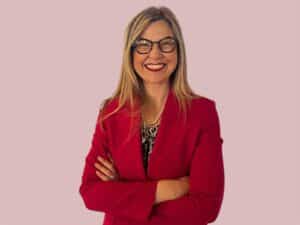
Cover image: Dr Sonia Palmeri (@ courtesy of)